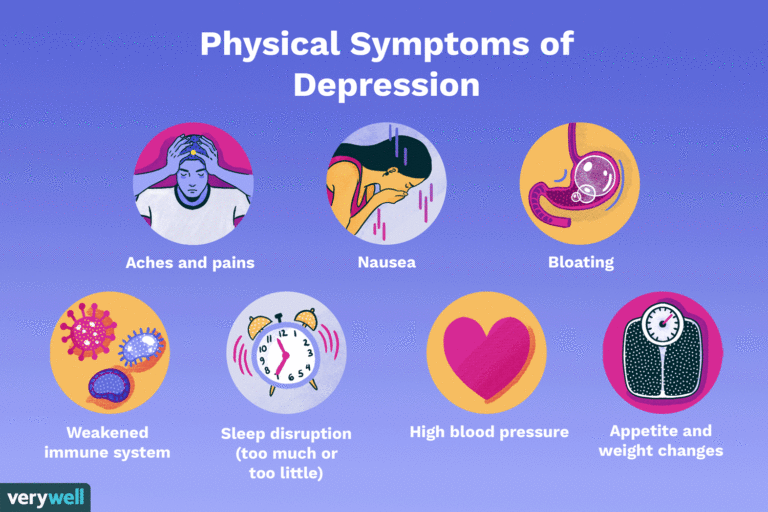
Do you have Inflammation or Depression?
New research suggests that depression may be caused by inflammation.
- Depression is often present in people with high inflammation and pain conditions
- High levels of inflammation increase the risk of developing depression and anxiety
- Certain interaction of drugs can also cause depression
- Remission of clinical depression is often associated with a normalising of inflammatory markers
Common causes of inflammation and depression:
Gut health: Disruption in the gut microbiome and intestinal permeability cause high levels of inflammation when lipopolysaccharides (LPS) escape the gut and enter the bloodstream which release inflammatory cytokines such as Tnf-a, IL – 1 and COX-2. People suffering with H Pylori (see article), bloating, diarrhoea, constipation, food intolerances, reflux in many cases suffer from anxiety and depression.
Diet: High processed junk foods that contain refined sugars, flour and rancid fats, eating very few vegetables rich in antioxidants, not drinking enough water and very high protein diets all create inflammation. Numerous studies have associated the Western diet with major depressive disorders. If you eating brown, yellow and white food and using a lot of boxes, packets and tins, you are not healthy. A diet high in antioxidants and colour, great fats and good protein is anti-inflammatory.
Obesity: Obesity is an inflammatory state. The more body fat you store, the more inflammation circulating in your body. Obesity is closely linked to depression.
Stress: Research has shown that psychosocial stress stimulate the pro-inflammatory cytokine network. Stress also increases with gut issues, unstable blood sugars, bad diet and lack of exercise. Sorting these issues out often reduces stress drastically.
Sleep deprivation: Chronic sleep loss increases inflammatory markers even in healthy people. Lack of sleep is a great contributor to depression.
Infections: Low grade on going inflammation causes by bacteria, parasites, yeast, H pylori, clostridium and ecoli species contribute to a weakening of the immune system and depression.
Dental and periodontal disease: The saying goes, “when your teeth are bad, you’re bad!”. Underlying issues such as infections, abscesses, gingivitis, plaque build-up, receding gums, implants and root canals all contribute to inflammation and can cause severe heart disease and depression.
Vitamin D deficiency: Low levels are linked to depression. Vitamin D is actually a steroidal hormone and helps produce serotonin and dopamine.
Recommendations:
Start off by changing your eating by increasing your intake of vegetables and especially those greens (see my green smoothie recipe). Stabilise your blood sugars, exercise, do a parasite cleanse, visit your dentist regularly, work on your sleep, do a comprehensive specialised stool test (not your regular one) and find out if you have a leaky gut, infections and yeast. How much inflammation do you have in your gut!
Talk to me about a comprehensive stool analysis, genetic or food intolerance test and let’s change your eating. You are worth it!